
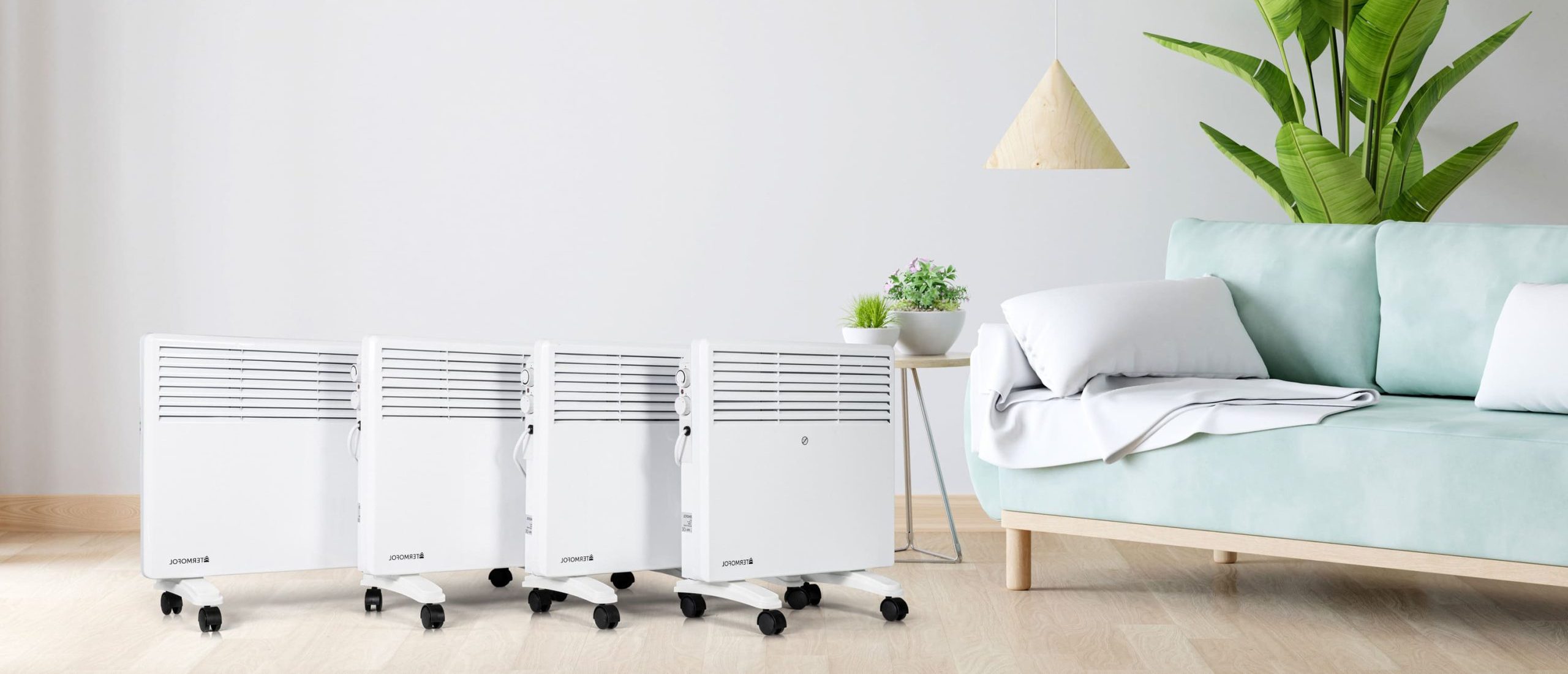
Choosing an electric heater for your room
An electric heater can supplement existing heating or form part of a complete heating plan. Start with the aim: making a workstation more comfortable, heating a room during use or meeting the full heating demand. A heater that warms one spot does not automatically replace heating throughout the home.
Radiant heat, convection, radiators and underfloor heating
Infrared panels give off radiant and convective heat. Position and an unobstructed path to the occupied area affect comfort. Convectors mainly heat the air; distribution and air movement depend on the device and layout. A large room is not automatically suitable for every convector model.
Electric radiators differ in construction, controls and any fan. Underfloor heating emits heat through the floor and requires a suitable complete floor build-up. A radiant heater for local warmth is a different application again. Check each model’s intended use indoors, outdoors, in bathrooms or at workstations; appearance and product name do not establish suitability.
Comparing consumption, warm-up time and environmental impact
Compare systems at the same comfort, usage and heat loss. Lower appliance output may mean longer operating hours. For a resistance heater, multiply kW by actual operating hours to calculate kWh. A heat pump works on a different principle and requires a separate comparison. A general ranking of low or high consumption by heater type does not provide a reliable cost estimate.
Warm-up time depends on the model, initial temperature and room. Electric does not mean zero warm-up time. Environmental impact depends partly on energy use, electricity generation and the complete product. Do not assume automatic carbon neutrality, falling electricity prices or subsidies for every heater. Check any scheme against its specific conditions.
Preparing installation and controls
Have output, fixings, clearances and electrical load assessed. In wet rooms, the heater, location and installation must all be suitable. Room-by-room controls can limit unnecessary heating hours when settings match occupancy. Follow manual instructions for cleaning and checks; low maintenance is not maintenance-free.
We help private and business end users, installers and wholesalers with product selection and supply. Share dimensions, insulation, usage times and information about existing heating. We discuss suitable heating and controls and any further information needed for a quotation.
Compare our heating options. Request advice and a quotation.